

A well-designed kitchen is more than a beautiful space. It is a place where everyday meals become memorable experiences, and the right cooking appliances make all the difference. Whether you enjoy preparing simple breakfasts or experimenting with elaborate recipes, choosing the right kitchen equipment can improve your cooking experience. One appliance that plays a central role in many kitchens is the kitchen range.
But what is a kitchen range, and why is it considered an essential part of a modern kitchen? A kitchen range is a multi-function cooking appliance that combines a cooktop and an oven in one unit. It allows homeowners to prepare several dishes at different temperatures without needing separate appliances. From traditional gas models to advanced induction designs, kitchen ranges come in different styles to match various cooking preferences, kitchen layouts, and budgets.
In this guide, S&E Remodeling explains how kitchen ranges work, the different types available, their important features, and the benefits they can bring to your kitchen.
What Is a Kitchen Range and How Does It Work?
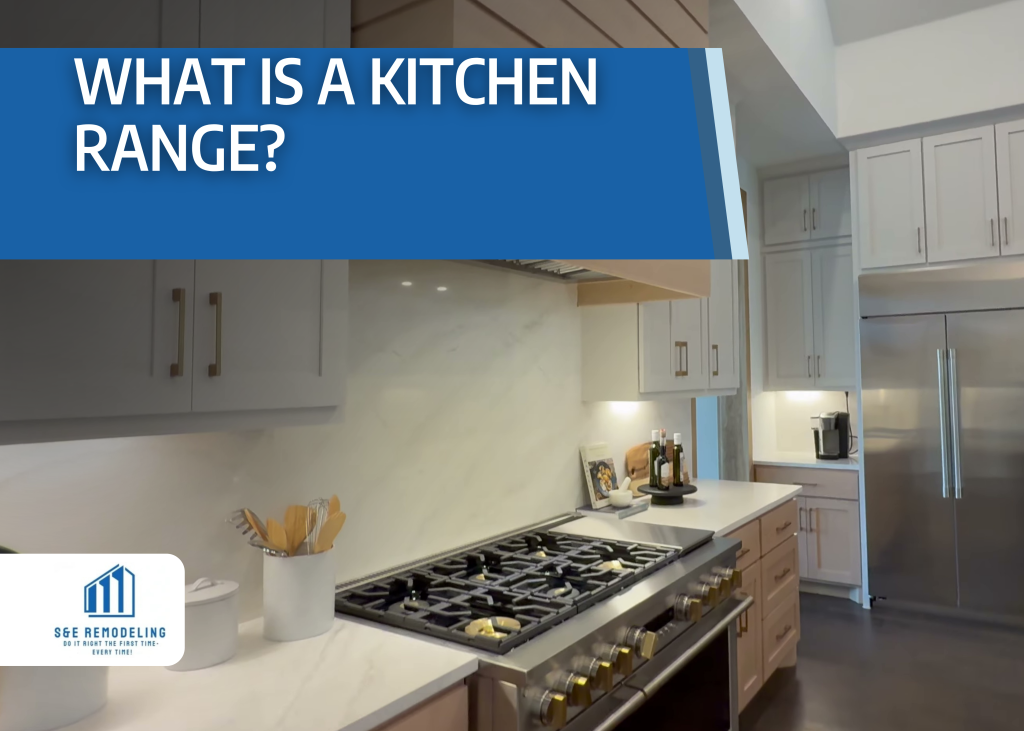
A kitchen range is a common kitchen appliance designed to provide two essential cooking functions in one convenient unit. The upper section contains a cooktop with burners or heating elements, while the lower section typically features an oven for baking, roasting, and other cooking tasks.
This combination makes a kitchen range a practical choice for homeowners who want a complete cooking station without installing multiple appliances. You can boil water on the cooktop while baking vegetables in the oven or prepare several dishes at the same time.
Most kitchen ranges are available in standard widths, although larger and compact models are also available. Their designs can include digital controls, adjustable racks, self-cleaning options, and different burner configurations.
At S&E Remodeling, understanding how appliances fit into the overall kitchen design is an important part of creating functional spaces. A properly selected range should complement your cooking habits, available space, and cabinetry layout.
Explore the Different Types of Kitchen Ranges
Not every kitchen range operates in the same way. Different models use different heating technologies, and each option comes with its own advantages and limitations. Understanding these differences can help you make a more informed decision.
The three main types commonly available on the market include:
- Electric ranges: These appliances use electricity to heat the cooktop and operate the oven. They are available with traditional coil elements or smooth glass-ceramic surfaces. Many homeowners appreciate their consistent oven temperatures and straightforward operation.
- Gas ranges: These models use natural gas or propane to produce flames for cooking. They offer responsive heat adjustments and powerful burners, making them popular among people who prefer controlling temperatures visually.
- Induction ranges: These appliances use electromagnetic technology to heat compatible cookware directly. They provide quick heating, precise temperature control, and an efficient cooking experience.
Each type has different installation requirements, operating costs, and maintenance considerations. The best option depends on your home’s existing utility connections and personal preferences.
Electric Ranges | Convenient and Consistent Cooking
Electric ranges are a popular choice for modern kitchens because they offer convenient operation and dependable cooking performance. Unlike gas models, they do not require a gas connection, making them suitable for homes with an appropriate electrical supply.
A traditional electric range may feature raised coil burners, while newer models often include smooth cooktops that create a clean, contemporary appearance. Smooth surfaces are also relatively easy to wipe down after cooking.
Another advantage is the electric oven, which generally distributes heat consistently for baking and roasting. This can be especially useful when preparing cakes, cookies, casseroles, and other dishes that require steady temperatures.
However, electric ranges also have a few cons. Some models take longer to heat up and cool down compared to gas alternatives. Homeowners should also consider electrical requirements before installation.
S&E Remodeling can help homeowners consider how an electric range will fit into their kitchen design, especially when planning cabinetry, countertops, and appliance placement.
Gas Ranges | Responsive Heat and Powerful Burners
Gas ranges remain a favorite among homeowners who enjoy having direct control over their cooking temperatures. They use an open flame to heat pots and pans, allowing cooks to adjust the flame almost immediately when changing temperature settings.
A gas cooktop usually includes multiple burners with different heat outputs. Smaller burners are useful for simmering sauces, while powerful burners can handle boiling water, searing meat, and preparing meals that require higher temperatures.
Another benefit is that many cooks find it easier to judge heat levels by observing the flame. This makes gas ranges appealing to people who regularly prepare different types of food.
However, gas appliances require proper ventilation and a suitable gas connection. Installation should also meet local safety requirements. Homeowners should consider the ongoing cost of gas and routine maintenance when comparing available options.
A range hood is particularly important for managing cooking fumes, grease, and odors. Proper ventilation helps maintain a more comfortable kitchen environment.
Induction Ranges | Modern Technology for Efficient Cooking
Induction ranges offer a modern approach to cooking by using electromagnetic energy instead of conventional heating elements or open flames. The technology transfers heat directly to compatible cookware, which helps reduce wasted energy.
One of the biggest advantages of induction cooking is speed. Water can heat quickly, and temperature adjustments are highly responsive. The cooktop surface also stays relatively cooler than traditional cooking surfaces because the cookware itself generates most of the heat.
Induction ranges often include useful modern features such as touch controls, automatic shutoff, temperature sensors, and safety locks. Their smooth surfaces also make everyday cleaning easier.
However, these appliances require compatible magnetic cookware. Some existing pots and pans may not work unless they are designed for induction cooking. Initial purchase prices can also be higher than those of basic electric or gas models.
For homeowners planning a modern kitchen upgrade, S&E Remodeling can help consider how an induction range will complement the overall appearance and functionality of the space.
Important Features to Consider When Choosing a Kitchen Range
Once you understand the different types, the next step is comparing their features. A kitchen range should support your everyday cooking needs while fitting comfortably into your kitchen layout.
Before making a purchase, consider the following features:
Oven Capacity: Think about how frequently you cook and how many people you typically prepare meals for. A larger oven may be useful for family gatherings, holiday meals, and multiple baking dishes.
Burner Configuration: Consider the number and size of burners. A combination of low-heat and high-heat options provides greater flexibility when preparing different recipes.
Self-Cleaning Functions: Some ranges include cleaning cycles that help remove baked-on food residue. These features can reduce manual cleaning efforts.
Smart Controls: Modern appliances may include digital displays, programmable settings, timers, and Wi-Fi connectivity.
Convection Cooking: Convection ovens use fans to circulate hot air, helping distribute heat throughout the cooking area. This can improve cooking consistency for many dishes.
Safety Features: Look for automatic shutoff functions, control locks, and other safety options that suit your household.
Comparing these features helps you avoid paying extra for functions you may rarely use. S&E Remodeling encourages homeowners to focus on practical value rather than choosing an appliance based on appearance alone.
Kitchen Range vs Separate Cooktops and Wall Ovens
Although a kitchen range combines two appliances in one unit, it is not the only way to organize a cooking area. Some homeowners prefer separate cooktops and wall ovens because they offer more flexibility in kitchen design.
A standalone range is generally easier to plan for because the cooktop and oven occupy the same appliance footprint. It can be a convenient solution for kitchens where space efficiency matters.
Separate cooktops and wall ovens, on the other hand, allow greater freedom in placement. For example, a wall oven can be installed at a more comfortable height, reducing the need to bend when placing or removing heavy dishes.
There are also rangetops, which provide a built-in cooking surface without an oven underneath. These are often installed into countertops and paired with separately positioned wall ovens.
The right arrangement depends on your available wall space, cabinetry, cooking preferences, and overall renovation goals. A professional kitchen layout can help determine which configuration makes the most sense.
How to Choose the Right Kitchen Range for Your Home
Choosing a kitchen range involves more than comparing brand names or browsing appliances online. You should evaluate how each model fits your lifestyle and the practical requirements of your kitchen.
Start by measuring the available space. Check the width, depth, and height of the installation area, and confirm that the appliance has sufficient clearance according to the manufacturer’s instructions.
Next, consider your existing utility connections. Switching from gas to electric or choosing induction may require electrical upgrades or other installation changes.
Your cooking habits should also influence your decision. If you frequently bake, prioritize oven performance and capacity. If you prepare meals using several pans simultaneously, focus on burner arrangements and cooktop space.
A useful buying guide should also include energy efficiency, maintenance requirements, warranties, and long-term operating costs. You can explore models from different brands, including Maytag, to compare available features, finishes, and appliance series.
When you shop, avoid focusing exclusively on the initial price. A well-selected appliance should provide dependable performance and suit your needs for years.
S&E Remodeling understands that appliance selection is only one part of a successful renovation. The surrounding cabinetry, countertop materials, backsplash, electrical planning, and ventilation should all work together to create a balanced kitchen.
Benefits of Adding the Right Kitchen Range to a Modern Kitchen
The right kitchen range can make everyday cooking more convenient while improving the overall functionality of your space. Combining a cooktop and oven in one appliance saves room and creates a centralized cooking area.
It also offers greater flexibility because you can prepare different foods using separate cooking methods simultaneously. Modern designs come in various finishes and styles, making it easier to coordinate the appliance with cabinets, countertops, and other kitchen accessories.
Another benefit is the wide selection available. Whether you prefer traditional gas cooking, convenient electric operation, or advanced induction technology, there are options for different budgets and household requirements.
A carefully planned kitchen upgrade can also improve the flow of your cooking area. When the range, sink, refrigerator, and preparation surfaces are positioned thoughtfully, everyday tasks become easier and more comfortable.
S&E Remodeling believes that successful kitchen improvements should combine visual appeal with practical functionality. Selecting appliances that complement the overall design helps create a space that looks attractive and works efficiently.
Contact Us
A kitchen range is more than just another appliance. It is an important part of the space where families prepare meals, share conversations, and create everyday memories. Understanding the differences between electric, gas, and induction ranges makes it easier to choose an option that matches your cooking style and kitchen requirements.
If you are planning a kitchen renovation, the right design decisions can make a lasting difference. From appliance placement and cabinetry to countertops and finishing details, every element deserves careful consideration.
Ready to turn your kitchen ideas into a beautiful, functional space? Contact S&E Remodeling to discuss your kitchen remodeling project and discover how thoughtful design and quality workmanship can bring your vision to life.